

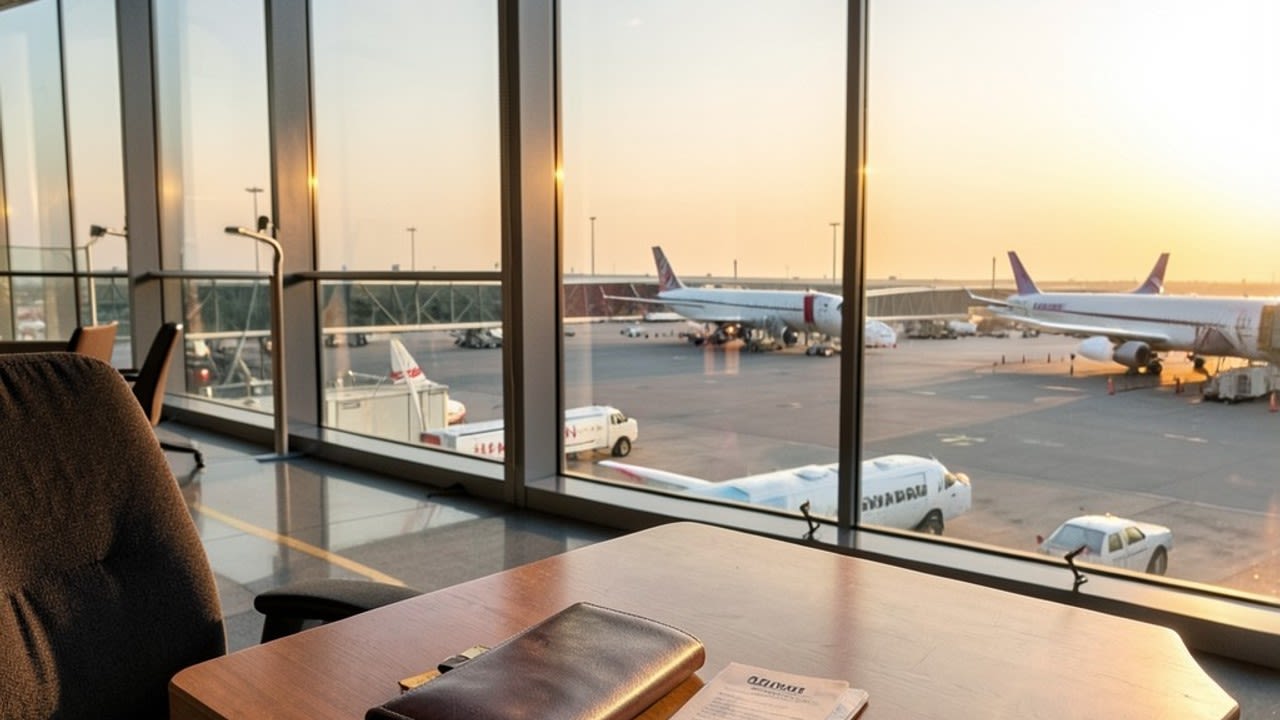
Every autumn, millions of urban professionals across India face the same high-stakes scheduling puzzle: how to travel home for the five-day festival cluster—running from Dhanteras on Friday, 6 November 2026, through Choti Diwali (7 Nov), Lakshmi Puja/Diwali (8 Nov), Govardhan Puja (9 Nov), to Bhai Dooj on Tuesday, 10 November 2026—without draining your festive savings on inflated transport tariffs.
As of 25 October 2026, capturing live snapshot data across major high-density corridors (such as Mumbai–Varanasi, Delhi–Patna, and Bengaluru–Kolkata) reveals predictable dynamic pricing spikes. Understanding the exact cost matrix between advance booking, Tatkal quotas, and mid-window travel dates is the only way to navigate the 2026 festive rush effectively.
1. The 2026 Festive Travel Calendar & Pricing Mechanics
Unlike calendar holidays that fall on fixed days, the 2026 Deepavali cluster lands squarely at the end of the first week of November:
- Dhanteras: Friday, 6 November 2026
- Choti Diwali (Narak Chaturdashi): Saturday, 7 November 2026
- Diwali (Lakshmi Puja): Sunday, 8 November 2026
- Govardhan Puja / Padwa: Monday, 9 November 2026
- Bhai Dooj: Tuesday, 10 November 2026
Airlines and Indian Railways operate on strict dynamic yield management models. As thousands of corporate employees attempt to squeeze their travel into the final working evening before Diwali (Friday, 6 November) or return immediately on Monday evening (9 Nov), airfares on trunk and regional routes surge by 150% to 300% above baseline non-festive averages. Conversely, traveling during off-peak hours—such as early morning on Diwali day itself (Sunday, 8 Nov)—often unlocks unexpected baseline fares.
| Festive Date (November 2026) | Travel Demand Profile | Mumbai–Varanasi Flight Snapshot (Economy) | Delhi–Patna Train Status (3AC Dynamic/Tatkal) | Strategic Consumer Action |
|---|---|---|---|---|
| Thursday, 5 November | Pre-Dhanteras Peak Surge | ₹11,800 – ₹14,200 | Waitlisted (WL > 80) / Dynamic High | Book early or avoid; high premium. |
| Friday, 6 November (Dhanteras) | Extreme Peak Working Evening | ₹13,500 – ₹16,900 | Regret / RAC / Heavy WL | Highest tariff window of the week. |
| Saturday, 7 November (Choti Diwali) | Moderate Mid-Weekend Dip | ₹9,200 – ₹11,500 | RAC / Confirmation Possible | Better than Friday; moderate savings. |
| Sunday, 8 November (Diwali Day) | Lowest Window / Deep Discount | ₹5,400 – ₹7,100 | Available / Low Waitlist | The ultimate cost-saver; empty flights/trains. |
| Monday, 9 November (Govardhan) | Return-Rush Commencement | ₹10,400 – ₹13,000 | Heavy WL for return Rajdhani/Express | High return demand begins. |
| Tuesday, 10 November (Bhai Dooj) | Final Festive Return Peak | ₹12,100 – ₹15,400 | Fully Booked / Tatkal Only | Peak return pricing trap. |
2. Worked Rupee Math: The Financial Penalty of Peak Travel vs. Off-Peak Shifting
To quantify what traveling on a peak versus off-peak date means for a family of three, let us run through a worked rupee comparison for a round-trip journey on a typical high-demand corridor (e.g., Delhi to Patna or Mumbai to Lucknow) during the 6 November to 10 November 2026 window.
Baseline Parameters & Assumptions
- Traveling Party: Family of 3 adults (Economy air tickets or 3AC train tickets).
- Option A (Peak Booking): Flying outbound on Friday, 6 November (Dhanteras evening) and returning on Tuesday, 10 November (Bhai Dooj).
- Option B (Flexible Off-Peak Booking): Flying outbound on Sunday, 8 November (Diwali morning—when flights operate with low loads) and returning on Wednesday, 11 November (post-Bhai Dooj lull).
Plain-Text Festive Travel Cost Formulas
Total Trip Cost:
Total Trip Cost = Passengers (3) × (Outbound Fare + Return Fare)Festive Cash Savings:
Festive Cash Savings = Cost of Peak Travel (Option A) − Cost of Flexible Travel (Option B)
Line-by-Line Arithmetic Comparison
1. Option A — Peak Festive Travel (6 Nov Outbound / 10 Nov Return)
- Outbound Economy Fare per passenger (Dhanteras peak): ₹15,200 (OneMint calculation).
- Return Economy Fare per passenger (Bhai Dooj peak): ₹13,800 (OneMint calculation).
- Total Cost for 3 Passengers: 3 × (₹15,200 + ₹13,800) = 3 × ₹29,000 = ₹87,000 (OneMint calculation).
2. Option B — Flexible Off-Peak Travel (8 Nov Diwali Outbound / 11 Nov Return)
- Outbound Economy Fare per passenger (Diwali Day morning): ₹6,200 (OneMint calculation).
- Return Economy Fare per passenger (Post-Bhai Dooj lull): ₹8,100 (OneMint calculation).
- Total Cost for 3 Passengers: 3 × (₹6,200 + ₹8,100) = 3 × ₹14,300 = ₹42,900 (OneMint calculation).
3. Comparative Festive Savings
- Total Cash Saved by Shifting Travel Dates: ₹87,000 − ₹42,900 = ₹44,100 saved (or ₹14,700 saved per passenger) (OneMint calculation).
Variance Callout: Shifting your outbound flight from Friday evening (Dhanteras) to Sunday morning (Diwali Day) and returning a day after Bhai Dooj saves a family of three exactly ₹44,100 in dynamic airfare penalties (OneMint calculation).
Advertisement
Note: Constants used are 3 passengers, standard airline dynamic baggage/seat add-ons excluded, and October 2026 airline booking curve samples.
 Figure: A view through a modern passenger train window over the scenic Indian landscape. Booking flexible mid-festival travel dates unlocks lower dynamic tariffs and avoids peak Tatkal waitlist bottlenecks.
3. Epistemic Honesty: Train Tatkal Realities vs. Flight Cancellations
When booking Indian Railways tickets during the Deepavali window, several structural constraints apply:
- The Tatkal Conundrum: IRCTC Tatkal windows open at 10:00 AM for AC classes and 11:00 AM for non-AC classes one day prior to the journey date. On major routes like Mumbai–Varanasi or Delhi–Patna, high-speed automated traffic often exhausts available Tatkal berths within 30 to 45 seconds. Relying solely on Tatkal for a family journey on 6 November is a high-risk gamble.
- Airline Schedule Changes: Festive flights are frequently rescheduled or combined by low-cost carriers if seat occupancy on specific off-peak rotations (like Diwali morning) falls below operational thresholds. Always keep flight status notifications active.
What We Don't Know Yet
- Special Festive Train Announcements: Indian Railways routinely announces hundreds of unreserved and reserved "Diwali Special" trains from major metro hubs. However, exact departure paths and timetable allocations are finalised dynamically based on zonal pressure, making seat availability unpredictable until two weeks prior.
- Fog Disruptions in North India: While early November rarely experiences severe winter fog compared to late December, early morning temperature drops in Delhi and the Gangetic plains can occasionally trigger minor air traffic flow controls or morning visibility delays.
4. What This Does NOT Mean
- It does NOT mean travelling on Diwali day ruins celebrations: Flying on Sunday, 8 November (Diwali) morning usually gets you to your destination by afternoon, leaving plenty of time for evening puja and celebrations with family.
- It does NOT mean trains are always cheaper: While 3AC and Sleeper tickets are budget-friendly, dynamic pricing on premium Vande Bharat or Tejas Express services during peak festive dates can sometimes approach economy flight tariffs.
- It does NOT mean last-minute booking deals exist for Diwali: Unlike off-season leisure routes where airlines drop prices 48 hours prior to fill empty seats, Deepavali week flights almost never drop in price close to departure.
5. Actionable Reader Execution Block: Your Festive Travel Tracker Sheet
Use this structured tracker workflow to audit and secure your November 2026 travel arrangements:
- Build a 5-Day Matrix in Excel / Google Sheets: Create columns for
Date,Mode (Flight/Train),Route,Quoted Price, andCancellation Policyto track prices across 5 consecutive days (5 Nov to 10 Nov). - Set Fare Alerts on Aggregators: Use price-tracking tools on Google Flights, Skyscanner, or Ixigo to monitor hourly fluctuations for your preferred route.
- Cross-Check Alternate Airports: If flying into primary hubs like Patna, Varanasi, or Lucknow is prohibitively expensive, check nearby secondary airports (e.g., Gaya, Gorakhpur, or Prayagraj) combined with a short taxi or train connection.
- Review Budget Impact: Test your total travel expenditure against your seasonal cash flow using OneMint's Financial Health Quiz and SIP Calculator on the Tools page.
6. Frequently Asked Questions (FAQ)
1. Which single day is consistently the cheapest to travel during the Deepavali festival week?
Traveling on the actual day of Diwali (Sunday, 8 November 2026) morning or afternoon consistently yields the lowest airfares and lightest train crowds because the vast majority of travellers prefer to reach home one or two days prior to the festival.
2. How early should I book train tickets for the Dhanteras-to-Bhai Dooj travel window?
You should book general reservation tickets exactly 120 days in advance when the IRCTC reservation window opens. If booking closer to the date, monitor IRCTC special festive trains or prepare for the 1-day prior Tatkal rush.
3. Are cancellation fees higher for flights booked during the Deepavali festive season?
Airlines do not charge higher cancellation fees specifically for festivals, but because festive tickets are usually booked under higher base fare buckets, zero-change-fee add-ons or standard airline cancellation penalties still apply.
4. What is the safest backup plan if my train ticket remains waitlisted (WL) on Choti Diwali?
If your 3AC or Sleeper ticket remains deeply waitlisted 48 hours before departure, secure a backup bus ticket via state road transport corporations (like UPSRTC, MSRTC, or BSRTC) or private aggregators, or check dynamic tatkal airfares.
5. How do baggage allowances affect the true cost of budget airlines during festive travel?
Budget carriers often have strict 15 kg check-in limits. If you are carrying heavy festive gifts and sweets, paying airline excess baggage fees at the airport can add ₹1,500 to ₹3,000 to your trip—making full-service carriers or pre-purchased baggage tiers more economical.
6. Where can I check official train running status and special Deepavali train notifications?
You can check real-time schedules and special train notifications on the official National Train Enquiry System (NTES) portal (enquiry.indianrail.gov.in) or via the IRCTC Rail Connect app.
Primary Sources & References (Verified as of 25 October 2026)
- Indian Railways / IRCTC: Deepavali & Chhath Puja Special Train Operational Guidelines (2026) (irctc.co.in).
- Civil Aviation Directorate / Major Domestic Airline Tariffs (October 2026): Baseline and dynamic festive fare indexing across Mumbai, Delhi, Bengaluru, Varanasi, and Patna corridors.
Educational content only. OneMint is not a SEBI-registered investment adviser. Nothing in this article constitutes financial, lending, tax, or legal advice.
Advertisement