

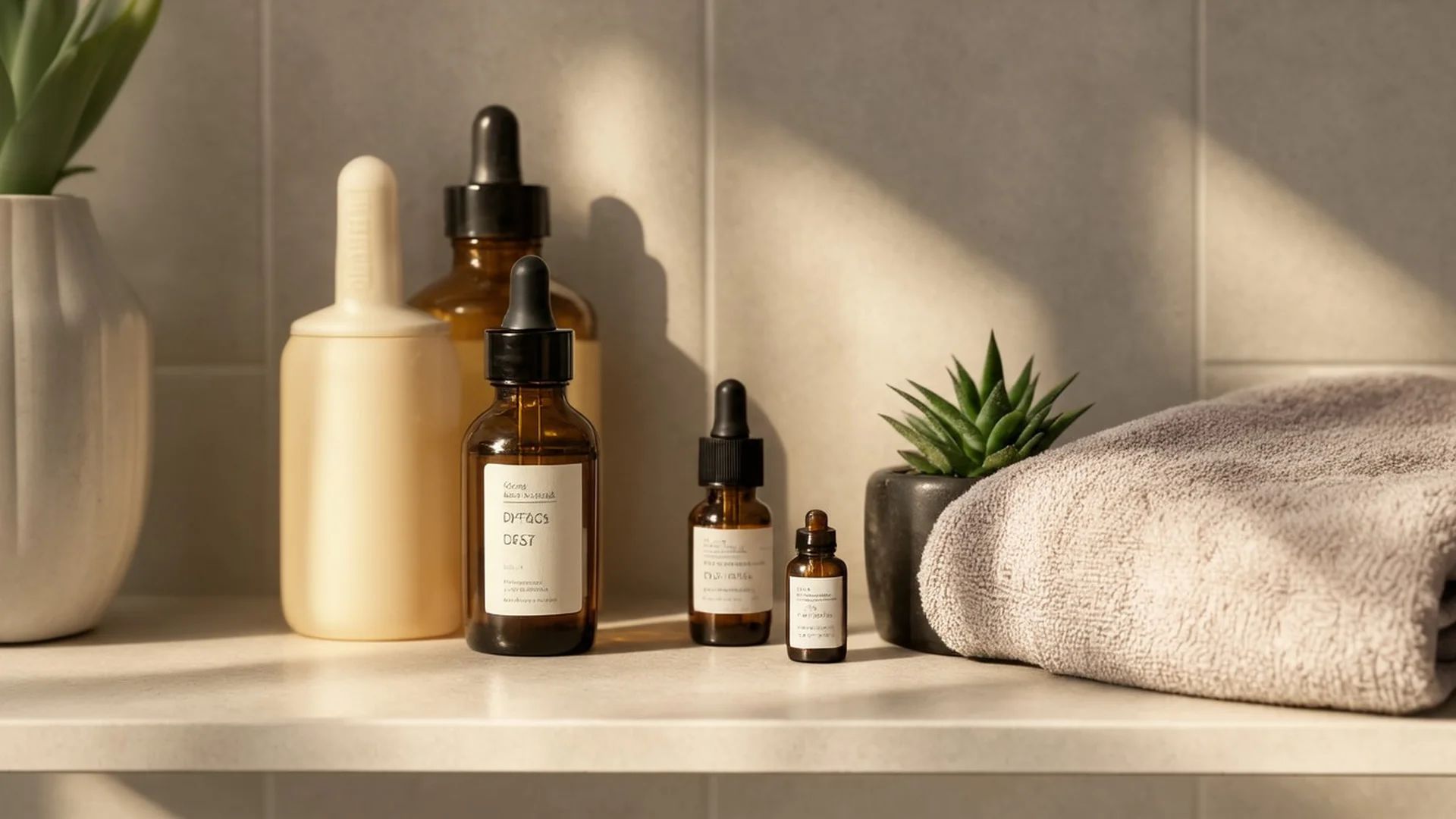
Open any Indian beauty app or quick-commerce storefront in late 2026, and hair care no longer stops at shampoo and oil. Driven by the global "skinification of hair" trend—treating the scalp like multi-step facial skincare—online retail shelves are packed with ₹1,800 to ₹2,600 purifying scalp serums, ₹2,400 clay "detox" masks, ₹2,800 grit scrubs, and ₹4,500 exfoliating lotions.
Even mid-tier direct-to-consumer (D2C) bundles combining a pre-wash scrub, peptide growth serum, botanical shampoo, and silicone massager routinely clear ₹3,000 per kit. Industry tracking as of October 2026 shows targeted hair-fall products, scalp health, and premium hair-care categories outpacing mass-market shampoos across India—with online retail projected as the fastest-growing hair-care channel at 6.15% annually and leading domestic consumer companies logging double-digit growth in combined hair and scalp care in FY27.
As of 21 November 2026, separating peer-reviewed dermatology from lifestyle packaging reveals a stark reality: the core premise—that scalp inflammation worsens hair shedding—is completely real, yet 70% to 80% of what sits inside a ₹3,000 cosmetic scalp kit is either weakly evidenced or outperformed by an approx. ₹60-to-₹350 pharmacy formula.
1. The Diagnostic Framework: Four Pillars Separating Dermatology From Packaging
Your scalp is living skin—richer in sebaceous (oil) glands and hair follicles than almost any other part of your body—and urban Indian realities like hard borewell water, sweat, humidity, and particulate pollution can genuinely irritate the scalp barrier. Yet marketing blurs four completely separate clinical tiers under the single label "scalp care":
Tier 1 — Proven Medical Actives (Decades of Randomised Trials)
When flaking, itching, or progressive thinning is driven by biology rather than dry dust, dermatologists rely on regulated drugs with decades of clinical trials. Ketoconazole 2% (alongside zinc pyrithione, selenium sulfide, and ciclopirox) directly suppresses Malassezia yeast overgrowth that triggers seborrheic dermatitis (dandruff) and scalp inflammation. Salicylic acid (1%–2% BHA) is oil-soluble and dissolves thick, greasy sebum and scales inside follicle openings chemically without physical scratching. For confirmed hereditary pattern thinning (androgenetic alopecia), topical minoxidil—especially modern 5% formulations—remains the most rigorously studied over-the-counter topical foundation backed by hundreds of controlled trials.
Tier 2 — Promising Cosmetic Adjuncts (Tiny Trials, Big Claims)
Most ₹1,500–₹3,000 Indian scalp serums headline either rosemary oil or proprietary botanical-peptide blends such as Redensyl, Procapil, and Anagain. Every viral video claiming rosemary oil "equals minoxidil" traces back to a single 2015 trial (Skinmed, Panahi et al.) of 100 people over six months.
What marketing omits: the study compared rosemary oil against the weaker 2% minoxidil (not modern 5%), showed zero statistically significant hair-count gain at 3 months in either group, used a standardised preparation rather than random retail oils, and has not been replicated at large scale.
Similarly, Redensyl, Procapil, and Anagain are regulated strictly as cosmetic ingredients, not drugs, resting primarily on small manufacturer-sponsored pilot trials (26 men over 84 days for Redensyl; 35 men over 4 months for Procapil; 20 volunteers over 3 months for Anagain) without large independent head-to-head replication. They are reasonable low-risk cosmetic adjuncts for mild support, not primary treatments for progressing genetic baldness.
Tier 3 — Pure Marketing (And Occasional Barrier Damage)
Two of the most expensive items in a ₹3,000 scalp kit—coarse physical scalp scrubs (salt, sugar, or crushed nut shells) and "detox" charcoal/clay masks—frequently do more harm than good. Dermatologists warn against abrasive physical scrubs on sensitive skin because mechanical friction causes micro-tears, strips the protective lipid barrier, and triggers reactive inflammation or hyperpigmentation. Equally, your scalp does not "detox" internal body toxins; routine washing with an appropriate surfactant removes sweat, sebum, and urban PM10 dust effectively.
Tier 4 — The Step Every ₹3,000 Kit Skips (Root-Cause Diagnosis)
No topical serum—whether ₹500 or ₹5,000—can fix hair shedding caused by an internal trigger. Sudden diffuse shedding (telogen effluvium) after illness, childbirth, rapid weight loss (see OneMint's Generic Semaglutide at ₹1,300–₹4,200 a Month: What the Low Price Doesn't Cover), thyroid shifts, low iron/ferritin, or low protein resolves once the underlying medical cause is corrected. Worse, treating scarring alopecia or autoimmune alopecia areata with cosmetic scrubs and rosemary drops wastes critical months during which destroyed hair follicles cannot be recovered.
2. The Somatic & Evidence Table: Matching Your Scalp Symptom to Real Dermatology vs. Hype
Before adding a multi-step kit to your cart, match what your scalp is actually feeling to its evidence-backed dermatological response—and spot the marketing upgrade designed to drain your wallet:
| Everyday Scalp Signal / Somatic Cue | Likely Underlying Driver | What Clinical Dermatology Supports | What Is Mostly Marketing (Skip) | Evidence Strength |
|---|---|---|---|---|
| Greasy yellowish flakes, itching, and redness around hairline or crown | Malassezia yeast overgrowth (seborrheic dermatitis / true dandruff) | Ketoconazole 2%, zinc pyrithione, or selenium sulfide wash left on scalp for 3–5 minutes, 2×/week | Heavy botanical scalp oiling (oils feed yeast), charcoal "detox" masks, ₹2,500 hydrating mists | High (Established clinical standard) |
| Heavy waxy buildup, oily roots within 24 hours, clogged feeling | Excess sebum + sweat + urban PM10 dust + styling residue | 1%–2% Salicylic Acid (BHA) chemical exfoliating wash once weekly + regular mild shampooing | Coarse salt/sugar physical scalp scrubs (risk micro-tears and barrier irritation) | High (BHA keratolytic chemistry) |
| Gradual widening hair part or receding temples over 12+ months | Hereditary pattern thinning (androgenetic alopecia) | Dermatologist evaluation + proven medical therapies (5% topical minoxidil, doctor-guided prescription options) | Relying solely on ₹2,000 Redensyl/Procapil/rosemary serums as primary hair-regrowth cures | High for medical; Weak/Pilot for cosmetic serums |
| Sudden handfuls of shedding 2–3 months after fever, stress, or dieting | Telogen effluvium or nutritional deficiency (ferritin, thyroid, protein, Vitamin D) | Blood panel (CBC, Ferritin, TSH, 25-OH Vitamin D, B12) + protein adequacy; patience (self-resolves) | Buying ₹3,000 "anti-hair-fall scalp spa kits" or unprescribed biotin gummies without lab testing | High (Treat internal trigger first) |
| Tender, burning, scaly patches, painful bumps, or smooth bald coins | Psoriasis, folliculitis, fungal infection, alopecia areata, or scarring alopecia | Prompt in-person dermatologist scalp exam (trichoscopy); never delay | Any DIY scrub, essential oil, microneedling roller, or D2C serum | Urgent Clinical Review |
 Evidence-based dermatological actives like ketoconazole and salicylic acid provide targeted scalp treatment at a fraction of premium cosmetic prices.
3. Worked Rupee Math: The ₹18,000 Annual Trend vs. Evidence-Based Pharmacy Dermatology
A single ₹3,000 scalp-care kit feels affordable once—until you realise serums (30–60 ml) and scrubs run dry every 60 days. Putting a typical 12-month cosmetic "skinification" routine side by side against two dermatologist-guided Indian pharmacy tracks reveals how much money goes strictly to packaging and influencer acquisition.
Baseline Parameters & Assumptions (Verified November 2026 Indian Retail & Pharmacy Benchmarks, All Figures in INR)
- Pathway A — The ₹3,000 Cosmetic Scalp-Care Routine (6 Bi-Monthly Restocks per Year):
- 50–60 ml cosmetic peptide/Redensyl/rosemary scalp serum: ₹1,300 (prestige imported serums run ₹1,800–₹2,600+ per 50 ml).
- 150–250 ml physical scalp scrub / purifying clay mask: ₹1,100 (prestige scrubs/masks run ₹2,400–₹2,800).
- "Detox" botanical shampoo + scalp brush/mist amortised: ₹600.
- Per 2-Month Kit: ₹3,000 (₹1,500/month; zero clinical diagnosis included).
- Pathway B1 — Evidence-Based Dermatology Track for Dandruff & Oily Scalp (12 Months):
- Initial In-Person Dermatologist Consultation: ₹1,000 (metro/tier-1 benchmark).
- Ketoconazole 2% Antifungal Shampoo (100 ml): Branded pharmacy mid-range ₹240/bottle (retail range ₹174–₹344) × 4 bottles/year (used twice weekly on active flares, once weekly maintenance).
- Mild Everyday Non-Medicated Shampoo (200 ml): ₹280/bottle × 4 bottles/year.
- Salicylic Acid 1%–2% Scalp Cleanser (for oily buildup, optional): ₹350/bottle × 2 bottles/year.
- Jan Aushadhi Generic Ketoconazole 2% Benchmark: ₹62 per 100 ml (WHO-GMP certified, NABL batch-tested at Jan Aushadhi Kendras; retail listed ₹58–₹62).
- Pathway B2 — Evidence-Based Dermatology Track for Confirmed Pattern Thinning (12 Months, Doctor-Supervised):
- 2 Dermatologist Consultations (Initial Trichoscopy + 6-Month Follow-Up): 2 × ₹1,000 = ₹2,000.
- Baseline Shedding Blood Panel at an NABL Lab (CBC, Serum Ferritin, TSH, 25-OH Vitamin D, Vitamin B12): ₹2,400.
- Topical Minoxidil 5% (60 ml/month × 12 months, only if prescribed for confirmed AGA):
- Branded Pharmacy Mid-Range: ₹550/bottle (market band ₹456–₹950+).
- Generic Pharmacy Equivalent: ₹250/bottle (Jan Aushadhi 5% benchmark: ₹150/bottle).
- Ketoconazole 2% Shampoo (4 bottles/year): ₹960 (branded) or ₹248 (Jan Aushadhi).
Plain-Text Formulas
Pathway A Annual Cost (Cosmetic Trend) = 6 Bi-Monthly Kits × ₹3,000
Pathway B1 Annual Cost (Dandruff/Scalp Hygiene) = Consult + (4 × Keto) + (4 × Mild Wash) + (2 × Salicylic)
Pathway B2 Annual Cost (Supervised Pattern Thinning) = (2 × Consult) + Lab Panel + (12 × Minoxidil 5%) + (4 × Keto)
Advertisement
Annual Cash Saved = Pathway A Annual Cost − Evidence-Based Pathway Annual Cost
Percentage Cost Reduction = (Annual Cash Saved ÷ Pathway A Annual Cost) × 100
Line-by-Line Arithmetic
Pathway A — ₹3,000 Bi-Monthly Cosmetic Scalp Routine (12 Months):
- 6 kits × ₹3,000 = ₹18,000 per year (₹1,500/month), with zero doctor consultation and zero blood-test screening (OneMint calculation).
Pathway B1 — Evidence-Based Dandruff & Oily Scalp Care (12 Months):
- Branded Pharmacy Version: ₹1,000 (consult) + (4 × ₹240 = ₹960) + (4 × ₹280 = ₹1,120) + (2 × ₹350 = ₹700) = ₹3,780 per year (₹315/month) (OneMint calculation).
- Jan Aushadhi Ketoconazole Variant: Replaces ₹960 with (4 × ₹62 = ₹248), saving an extra ₹712 → ₹3,068 per year (₹256/month) (OneMint calculation).
- Annual Savings vs. Cosmetic Trend (B1 Branded): ₹18,000 − ₹3,780 = ₹14,220 saved per year (79.0% lower outlay) (OneMint calculation).
Pathway B2 — Evidence-Based Supervised Pattern Thinning Care (12 Months):
- Branded Pharmacy Version (₹550 Minoxidil + ₹240 Keto): ₹2,000 (2 consults) + ₹2,400 (NABL blood panel) + (12 × ₹550 = ₹6,600) + ₹960 = ₹11,960 per year (₹997/month) (OneMint calculation).
- Generic Pharmacy Version (₹250 Minoxidil + ₹62 Jan Aushadhi Keto): ₹2,000 + ₹2,400 + (12 × ₹250 = ₹3,000) + ₹248 = ₹7,648 per year (₹637/month) — dropping further to ₹6,448/year at Jan Aushadhi’s ₹150 Minoxidil rate (OneMint calculation).
- Annual Savings vs. Cosmetic Trend (B2): Saves ₹6,040/year (33.6%) using branded pharmacy bottles—and ₹10,352/year (57.5%) using generic pharmacy equivalents—while paying for two specialist appointments and a full blood workup (OneMint calculation).
[!NOTE] Variance Callout: Sustaining a ₹3,000 bi-monthly cosmetic scalp-care trend costs ₹18,000 a year with zero medical diagnosis—whereas a dermatologist-backed scalp hygiene plan costs ₹3,780/year (saving ₹14,220, or 79.0%), and even a full supervised hair-thinning protocol with two doctor visits, NABL blood tests, and proven pharmacy actives costs ₹7,648 to ₹11,960/year (saving ₹6,040 to ₹10,352) (OneMint calculation).
[!IMPORTANT] Tax & Price Note: Constants used are November 2026 Indian pharmacy and retail pricing bands without endorsing any single brand or pharmacy chain. Under the Income Tax Act 2025 Section Translator (Effective 1 April 2026), preventive diagnostic blood panels may qualify within the ₹5,000 Section 126 preventive check-up limit only for taxpayers opting out of the Default New Tax Regime (Section 202); cosmetic products and shampoos carry zero tax deduction. Compare how small personal-care line items shape household cash flows in Your Personal Inflation Rate Isn't 5.54%: Build It From Three Months of Bills.
4. The Reality Check: Epistemic Honesty, Limits, and What We Don't Know Yet
Separating hype from dermatology does not mean mocking every cosmetic bottle—it means respecting two practical clinical nuances:
- Tolerability Matters When You Have to Use a Product for Years: Even though 5% minoxidil has vastly stronger clinical backing than rosemary or peptide serums, alcohol- and propylene-glycol-based pharmacy solutions can trigger scalp dryness, itching, and an initial temporary shedding phase ("dread shed")—and stopping them reverses the gains. For Indian scalps already irritated by hard water or urban particulate pollution, dermatologists sometimes pair or rotate gentler alcohol-free pharmacy formulations, or use cosmetic peptide serums purely as a well-tolerated supporting step after diagnosing the real cause.
- Over-Exfoliating Backfires Fast: One of the fastest-growing clinic complaints in 2026 is not dirty scalps—it is over-exfoliated scalps. Stacking a salicylic acid toner, a clay detox mask, and a stiff silicone brush three times a week strips the stratum corneum lipid matrix, causing rebound oiliness, tightness, burning, and flakes that consumers misread as "stubborn dandruff" and scrub even harder.
What We Don't Know Yet
- Whether Combined Multi-Peptide Serums Match 5% Minoxidil in Independent Trials: Many Indian D2C serums combine Redensyl, Anagain, Procapil, and caffeine in a single dropper bottle. While small manufacturer-backed studies show encouraging short-term tolerability and anagen-to-telogen shifts, large, independent, multi-year head-to-head trials comparing these multi-peptide blends directly against 5% minoxidil remain absent as of late 2026.
- Exact Concentration Transparency on Indian Cosmetic Labels: Because cosmetic scalp serums are not regulated as drugs, Indian labels are not always required to prove bioavailability or standardised active potency the way pharmaceutical monographs do—meaning two ₹1,500 "rosemary" or "peptide" bottles can contain wildly different effective concentrations.
5. What This Does NOT Mean
[!WARNING]
Critical Scope Clarifications
- It does NOT mean washing your hair frequently causes baldness: Shedding hair in the shower simply releases hairs that had already detached weeks earlier (normal daily shed is 50–100 strands). Avoiding washes lets sebum, yeast, and urban particulate dust build up, worsening scalp inflammation.
- It does NOT mean you should self-prescribe 5% minoxidil or oral finasteride without a diagnosis: Minoxidil is not meant for temporary stress shedding (telogen effluvium), and prescription oral hair-loss medications carry specific systemic contraindications (including strict pregnancy contraindications) that require a dermatologist’s evaluation.
- It does NOT mean traditional hair oiling is banned: Applying a light oil to the hair shaft (mid-lengths to ends) 30–60 minutes before washing reduces water-swelling cuticle friction—the mistake is soaking a flaky, yeast-prone scalp overnight in heavy oil.
6. Low-Barrier Execution Menu: A 4-Step Scalp Reset That Respects Both Biology and Your Budget
Before spending ₹3,000 on an influencer scalp bundle, run this clean, four-step dermatology-first reset over the next 30 days:
1. Do the 5-Minute Contact-Time Fix First (Cost: ₹0)
Most people fail with ₹200 pharmacy dandruff shampoos simply because they lather and rinse in 20 seconds. Antifungal actives like ketoconazole 2% and keratolytics like salicylic acid need 3 to 5 minutes of scalp contact time before rinsing to work. Apply directly to the wet scalp, set a timer while you shower, and rinse thoroughly—then use conditioner strictly on the hair lengths, never the scalp.
2. Replace Physical Grit With One Chemical Step (Ceiling: Once Weekly)
Throw away coarse salt or walnut scalp scrubs. If you live in a dusty, high-PM10 metro (see OneMint’s Mumbai's Air Now Beats Delhi's for Worse (Oct–Nov 2026 Data): Why Coastal AQI Behaves Differently and What to Do About It) or sweat heavily during workouts, use a gentle 1%–2% salicylic acid scalp wash at most once a week—and zero exfoliants if your scalp already stings, burns, or shows active sores.
3. Check Your Internal Floor Before Blaming Your Shampoo
Hair follicles are metabolically demanding and among the first tissues to downshift during low-protein diets, rapid weight drops (see Generic Semaglutide at ₹1,300–₹4,200 a Month: What the Low Price Doesn't Cover), or winter Vitamin D dips (see Smog and Blood Sugar (North India Winter 2026): Why Fasting Glucose Rises in Polluted Cold Air, and What to Test in December). Anchor meals with affordable daily protein and iron-rich seasonal greens (see Kale Costs ₹40 a Bunch. Sarson Doesn't: The Cost-Per-Nutrient Case for Winter Greens).
4. Book One Dermatologist Visit Before Your Second ₹1,500 Serum
If shedding persists beyond 8 to 12 weeks, your central parting visibly widens, or flakes resist four weeks of proper ketoconazole contact time, redirect your next ₹3,000 cosmetic budget into a single board-certified dermatologist appointment plus targeted baseline blood tests—and check how recurring wellness spends fit your household budget via the OneMint Financial Health Quiz.
Primary Sources & References (Verified as of 21 November 2026)
- PubMed / Skinmed (Panahi et al., 2015): Rosemary oil vs minoxidil 2% for the treatment of androgenetic alopecia: a randomized comparative trial (Skinmed 2015 Jan–Feb; 13(1):15–21; PMID: 25842469).
- NIH PubMed Central (PMC12251978) & Clinical Dermatology Reviews (September–October 2026): Topical Alternatives for Hair Loss: Beyond the Conventional (Redensyl 26-subject & Procapil 35-subject pilot data); HairMD clinical review of Redensyl, Procapil & Anagain (25 October 2026); eDermGroup clinical evidence review of rosemary oil vs. 5% minoxidil and diagnostic triage (15 September 2026); dermatology guidance on physical scrubs vs. 1%–2% salicylic acid BHA exfoliation (June 2026).
- Mordor Intelligence (23 October 2026): India Hair Care Products — Market Size & Industry Analysis (online CAGR 6.15%, premium CAGR 5.45%, scalp-health and targeted hair-fall demand drivers, Q1 FY27 category growth).
- Indian Pharmacy, Jan Aushadhi & Retail Price Disclosures (November 2026): Representative Indian retail pricing for luxury/D2C scalp serums, scrubs, and masks (sephora.in); branded pharmacy Ketoconazole 2% (1mg.com, pharmeasy.in) and Minoxidil 5% (1mg.com, zeelabpharmacy.com); and Pradhan Mantri Bhartiya Janaushadhi Pariyojana (Jan Aushadhi) generic pricing for Ketoconazole 2% shampoo (₹58–₹62) and Minoxidil 5% solution (₹150).
- Central Board of Direct Taxes (CBDT): The Income Tax Act, 2025 (Tax Year 2026-27) — Section 126 preventive health check-up sub-limit (₹5,000, Old Regime) and Section 202 Default New Tax Regime.
Advertisement